Begin with a place.
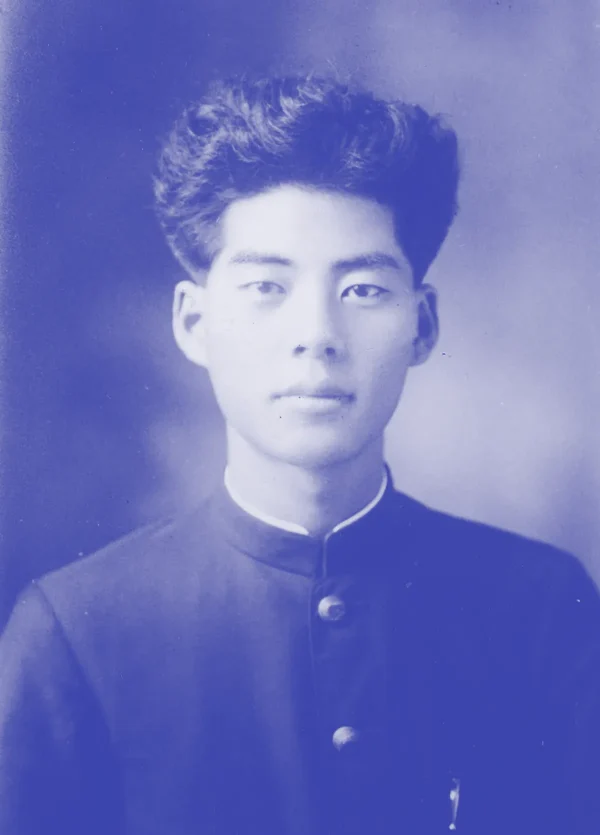
Baek Seok was born in 1912 in the Jeongju area of North Pyongan Province, in what is now North Korea. His early life belongs to a Korea before the peninsula’s division. That distinction matters when approaching a poet whose work is often introduced through the word “North”.
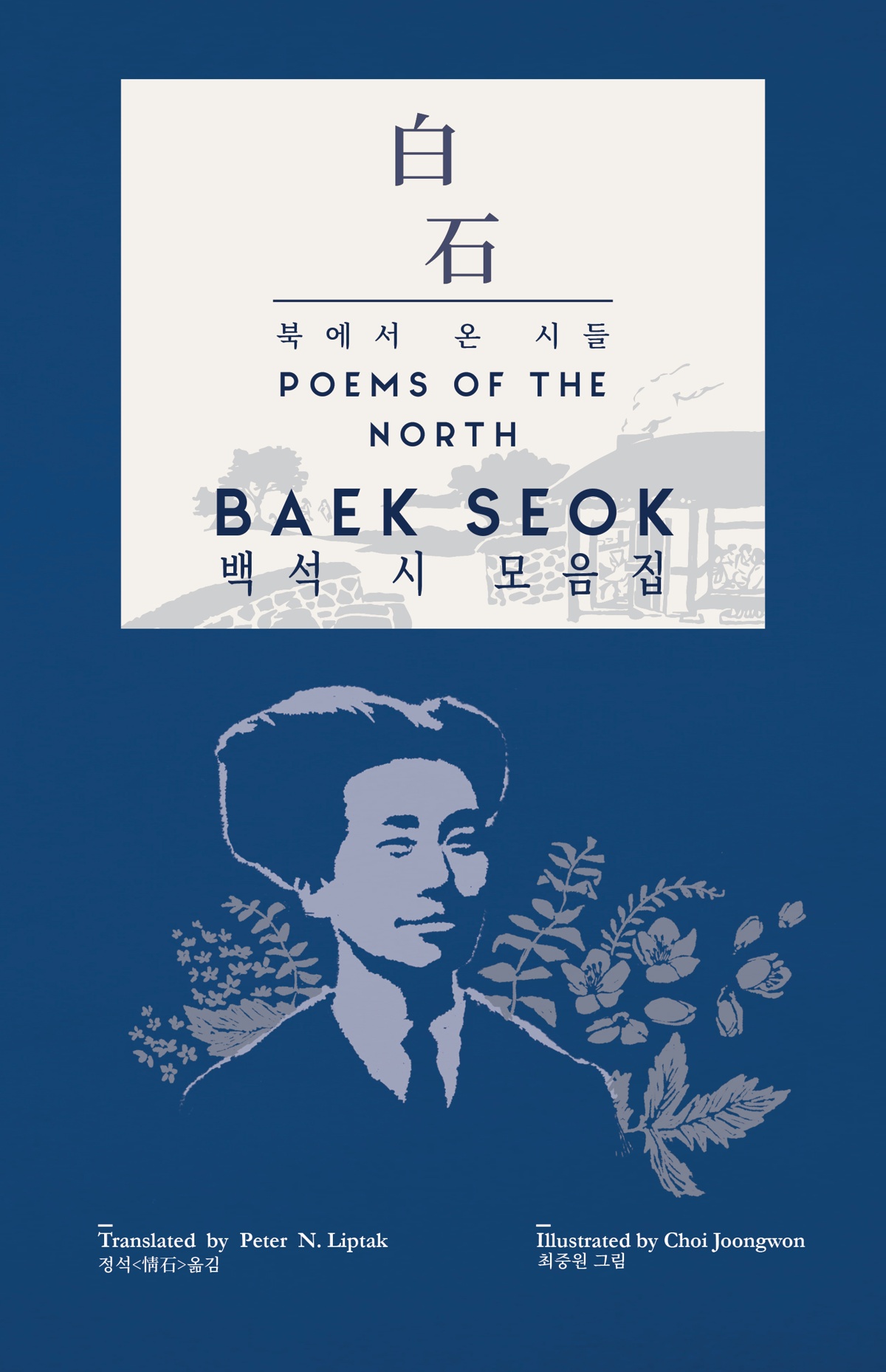
In Poems of the North, Peter N. Liptak approaches this world through its language, food, customs and surroundings. Fields, villages, family relations and animals are the substance of daily life within the poems. The local remains particular, even when the feelings are familiar.
Modern, with his own materials.
Study in Japan, English literature, journalism and later Russian translation were part of Baek Seok’s experience. Liptak’s introduction stresses that the poet nevertheless made distinctive use of Korean material and regional speech. His poetry’s attention to country life was a choice within modern literature.
Deer, published in 1936 in an edition of 100 copies, is a useful starting point. Read the child’s world of Duck Pony Hare, or the compressed scene of Green Persimmon, and the argument becomes something you can hear and picture.
Work, travel and attachment.
The book’s chronology follows him from newspaper work into teaching in Hamhung, back to Seoul, and then to Manchuria. It also records his relationship with Kim Jin-hyang, known as Jaya. These movements help place the solitude, attachment and imagined departure encountered in his poetry.
They do not turn every poem into a diary. Me, Natasha and the White Donkey deserves room for the world its speaker imagines, alongside the historical relationship described in the chronology. A biographical connection is a beginning for a reading, rather than a replacement for one.
A literary life after liberation.
Baek Seok remained in the North following liberation and division. Translation and writing for children became important parts of his later literary activity. The edition’s author introduction describes arguments over his literary views, his move to a farming collective in 1958, and the withdrawal of his name from the North’s literary record in the early 1960s.
The story of his later years reached readers through an incomplete record. Liptak’s biography distinguishes earlier reports that he had died in 1995 from the family chronology giving January 1996. Keeping that uncertainty visible is more faithful than filling the silence with a dramatic story.
Returning to readers.
His work was long restricted in South Korea. Collected editions in the late 1980s and subsequent biographical writing helped bring it before a new readership. The poems themselves offer a meeting with people and places that a political label alone cannot describe.
For Liptak, the route into that world was a long process of reading, research and translation. This edition keeps the Korean beside the English, with illustrations and notes, so the reader can return to the original words as well as enter through the translation.